Is Bamboo fibre Really Eco-Friendly?

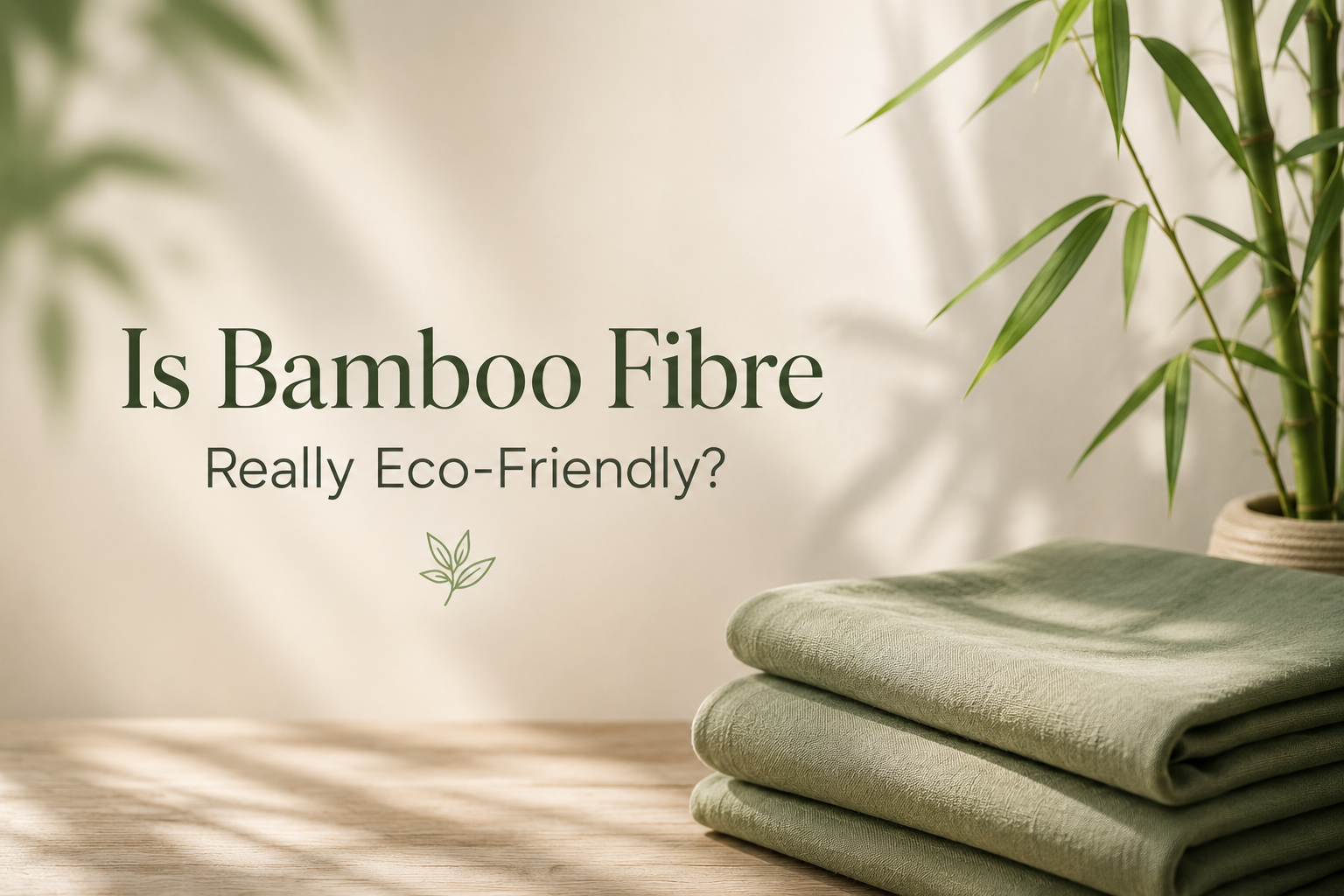
Bamboo fibre has become a popular fibre in the garment and textile business for many years now. Today, bamboo goods are available in the market as sustainable and ecologically friendly products, from bamboo dresses to t-shirts, bamboo bedsheets, to towels. One question that needs to be asked, however, is whether or not bamboo fibre is really eco-friendly, or just another marketing fad?
Why Bamboo Is Considered Sustainable
Bamboo is a fast-growing plant in the world. Under the proper conditions, some species can grow more than a foot per day. Bamboo does not require copious amounts of water for production, and can be naturally cultivated without excessive amounts of pesticides or chemical fertilisers being used, like many crops that are produced for textiles.
Besides, bamboo can absorb a great deal of CO2 and discharge oxygen into the atmosphere. Therefore, bamboo agriculture is seen to be advantageous in terms of greenhouse gas reduction, which can be achieved as compared to certain conventional agricultural crops.
This is why bamboo is a good raw material for eco-friendly and sustainable fashion and manufacturing purposes.
The Two Types of Bamboo Fibre
Before knowing the eco-friendliness of bamboo fibre, one should be aware of the two methods of production of bamboo fibre.
Natural Bamboo Fibre
This is made by a mechanical process of natural bamboo fibre. Crushing the bamboo plant and softening the walls of the plant with natural enzymes. The fibres are then spun into yarn.
This technique is believed to be environmentally friendly since it doesn’t employ large amounts of chemicals and is able to preserve the natural characteristics of the plant. But processing by machinery is very costly, labor intensive and is not widely used in the textile industry.
Often, bamboo products made by machine are marketed as ‘natural bamboo linen’.
Bamboo Viscose or Rayon
Currently, bamboo textiles sold in the market are mostly bamboo viscose and bamboo rayon. During this process, bamboo pulp is treated with chemicals to obtain regenerated cellulose fibre.
This end product is so soft, silky and breathable that it is popular among consumers. But with un-managed processes, there can be environmental issues with the chemical processes.
During production at some manufacturing plants, the use of harsh chemicals like sodium hydroxide and carbon disulfide, is used. Often, factories do not properly treat and recycle the chemicals and thus they can lead to water pollution and environmental harm.
Thus, although bamboo is a sustainable raw plant, the entire “environmental footprint” of the plant will depend largely on the production method of the manufacturer.
Benefits of Bamboo Fabric
Although there are concerns on how bamboo can be processed, bamboo fabric has many of its own advantages over a lot of synthetic fabric.
Soft and Comfortable
A bamboo fabric is characterized by smooth and luxurious nature. It is considered to be as soft as silk or good quality cotton.
Breathable and Moisture Absorbing
Bamboo fabrics are not only breathable but also have a good moisture absorption. This will ensure that bamboo fabrics are comfortable in warm weather and for active living.
Biodegradable
Bamboo fibers are biodegradable in proper conditions and unlike many of the synthetic fibers that are produced by petroleum-based resources, are biodegradable under the right circumstances, particularly when combined only minimally with synthetic fibers.
Reduced Dependence on Pesticides
Cotton agriculture frequently involves significant use of the chemicals, pesticides and fertilizers. Generally the cultivation of bamboo is less toxic to the environment as it doesn’t require as many chemicals as other plants.
Challenges and Criticism
Bamboo is a great and ‘green fabric’ however some manufacturers are either oversimplifying or embellishing the grass’s sustainability claims.
There is one big problem: “greenwashing”, when products are sold as fully eco-friendly, but the price is steep as a result of the use of a production process which causes a high chemical consumption in the manufacture of bamboo rayon.
There are also ways that the environmental attributes of bamboo textiles can be degraded because of transportation, industrial energy consumption, type of dyeing and synthetic blending.
How to Choose More Sustainable Bamboo Products
If you are interested in helping to promote the use of environmentally friendly bamboo textiles, then here is a list of items to consider:
- Check if they’re made of mechanically-processed bamboo or bamboo linen.
- Opt for brands that are clear about their sustainability efforts.
- Look for eco certification like OEKO-TEX and/or FSC certified sourcing
- Choose companies that adopt closed loop manufacturing with recycle of chemicals/ water
- Don’t use high-quality blinds made of a lot of polyester and bamboo fiber.
Final Thoughts
The bamboo fibre is a truly sustainable textile material as bamboo can be rapid grown, resource saving and can regenerate itself. There are bamboo fabrics that are not as environmentally friendly, though.
Most of the bamboo fabrics available in the market are chemically treated viscose or rayon, but bamboo fibre can be very sustainable. The environmental responsibility of bamboo clothing will rely on the producers’ handling of the manufacture, chemicals and waste management.